
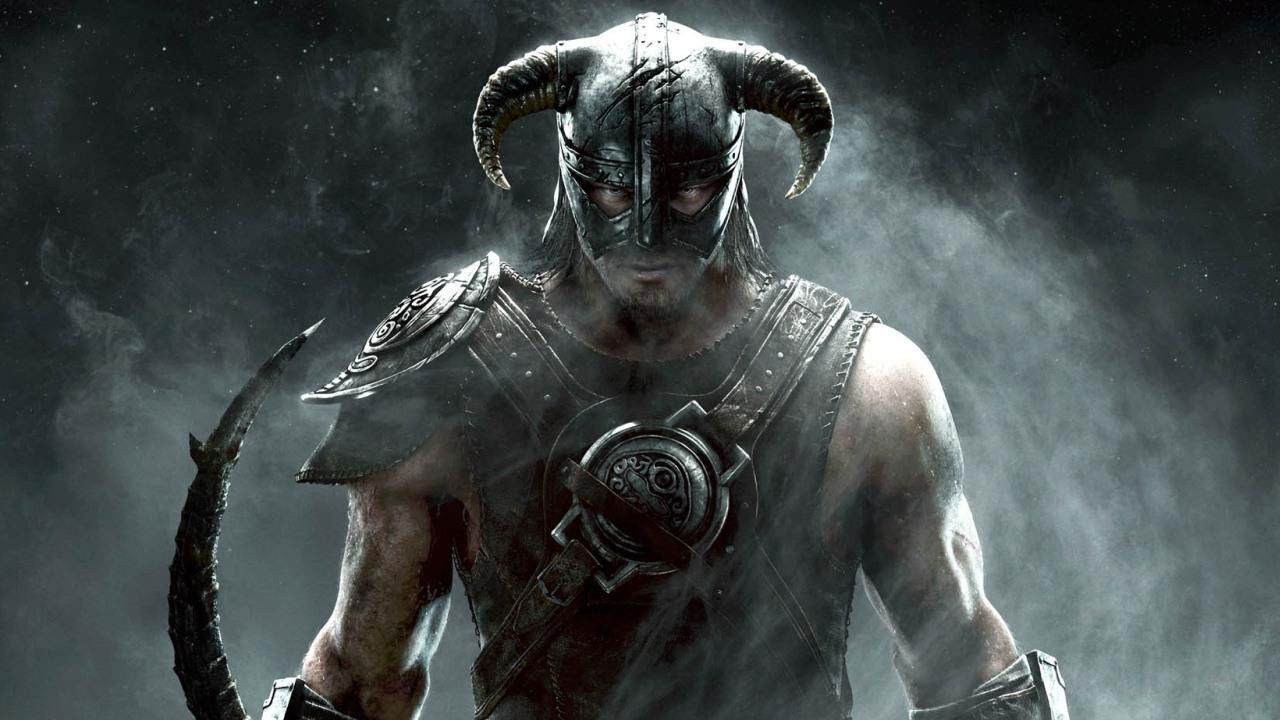
Today, November 11th, marks the 14th anniversary of The Elder Scrolls V: Skyrim (here is our review), the open world role-playing game developed by Bethesda Game Studios and originally published in 2011 on PC, PlayStation 3 and Xbox 360.
With its debut, Skyrim represented a turning point for the genre, placing the emphasis on freedom of exploration, on the personal construction of the adventure and on a living and dynamic world capable of reacting to the player’s choices.
Upon its release, the title achieved immediate success with both the public and critics, establishing itself as one of the symbolic products of the generation.
Its open formula, combined with a narrative distributed through dialogues, locations, encounters and emerging missions, allowed the game to overcome the traditional distinction between main plot and secondary content: every deviation was a potential story, every path could lead to an unexpected event.
In the years since, Skyrim has been revived across numerous platforms, solidifying its presence over time. The 2016 Special Edition introduced technical improvements and the integration of official additional content, accompanied by native support for console mods.
In 2017, the version for the Nintendo Switch arrived, followed by the editions dedicated to virtual reality, while in 2021 the Anniversary Edition gathered further Creation Club content, further expanding the experience. The longevity of the game is also expressed in the commercial results: according to data shared by Bethesda in 2023, Skyrim has exceeded 60 million copies sold, making it one of the best-selling titles of all time.
An essential role in its permanence in the contemporary panorama is played by the modding community, which has been particularly active since its launch on PC. Thousands of mods have given rise to aesthetic reinterpretations, new narrative lines, complete reconstructions of regions and game systems and even total conversions.
Some projects, such as Skyblivion and Skywind, aim to recreate entire previous chapters of the series within the Skyrim engine, a sign of the strength of the original vision and the dedication of the fans.
At the same time, the cultural impact of the game has become evident even outside the strictly videogame context. Expressions that have entered common language, such as “I used to be an adventurer like you…”, iconic quotes and representations of the province of Skyrim in digital culture have made it a recognizable symbol on multiple levels.
Memes, parodies, musical remixes and artistic reinterpretations continue to populate social networks and communities of enthusiasts, keeping the connection with the title alive even among those who have completed it some time ago.
As for the future of the series, Bethesda announced The Elder Scrolls VI in 2018, confirming its development. Following the release of Starfield, the studio reiterated that the project is in the works, though no concrete details on the setting, structure, or release window were shared. The expectation therefore remains high, accompanied by the weight of a complex legacy to collect.