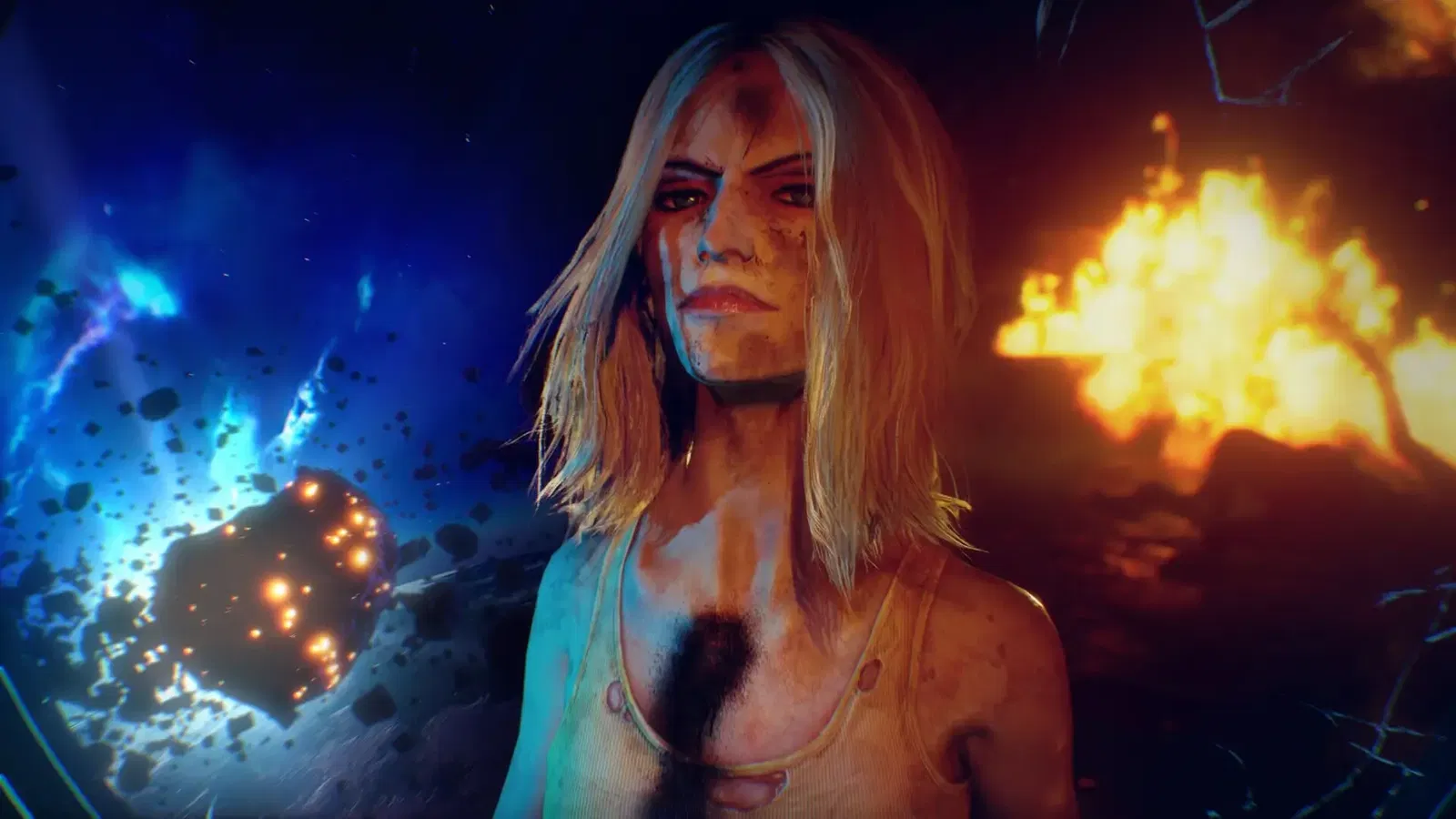
The world of video games is preparing to welcome a new narrative bet that could change the way we perceive protagonists and antagonists. Ken Levine, a famous creator of the Bioshock series, revealed some details on Judas, his next project with Ghost Story Games.
The heart of the experience will be a system that dynamically transforms one of the allies into the main villain, based exclusively on the choices and behaviors of the player.
The setting revolves around the Mayflower, a huge spaceship of the size of a city, where the protagonist collaborates with three key characters nicknamed “the three great”.
These begin as trusted allies, but over time they come into conflict with each other to earn the player’s trust. The mechanics are inspired by the Nemese system of Middle Earth: Shadow of Mordor, reinterpreted to create a much more personal emotional dynamic.
The goal, explained Levine, is to make the loss of one of the companions pain in the moment it will become the main enemy. “We want me to lose one of them feel like losing a friend,” he said in the first development video published by the team.
The system constantly observes the player’s actions: from the fight to combat to hacking and crafting skills. Each choice influences the three characters, who react with different strategies to conquer the protagonist’s sympathy. They can offer him bribes, save him in battle, discredit rivals or share secrets.
All this leads to an inevitable decision: to choose who to trust and who to exclude, thus determining the identity of the future antagonist.
Once transformed into villain, the character gets specific powers designed to directly contrast the player. An example provided concerns Tom, who can convince the sheriff robots previously recruitable to rebel against the protagonist as an antagonist. A choice that promises always different game experiences to each game.
However, there are critical issues. Some players may find inconsistent the obligatory transformation of a partner, especially if they have maintained positive relationships with all three characters. It also remains to be understood whether a dynamically generated villain can have the same narrative depth as an antagonist written and characterized from the beginning.
Judas does not yet have an official release date, and Levine has clarified that the team prefers to avoid premature ads. In the meantime, fans can admire the fascinating key art made by the illustrator Drew Struzan, famous for its film posters, who contribute to defining the visual tone of one of the most ambitious and mysterious projects in recent years.
Judas, Bioshock’s heir will change badly according to your choices